



 08071792644
 Send Inquiry
 Send Inquiry
Indian Tharparkar Cow
Price 30000 INR/ Unit
Indian Tharparkar Cow Specification
- Product Type
- Live Cattle
- Commercial Uses
- Milk Production, Draught Power, Breeding
- Weight
- 300-400 kg (adult female), 400-500 kg (adult male)
- Color
- White/Grey
- Breed
- Tharparkar
- Age
- 2-10 years (adult milking/working age)
- Gender
- Female & Male available
- Horn Status
- Medium size and curving outward and upward
- Hump
- Well-developed
- Climate Adaptability
- Highly adaptable to dry and hot conditions
- Body Structure
- Medium size with straight face
- Milk Yield
- 1500 - 2500 litres per lactation
- Skin Texture
- Loose and pliable
- Lactation Period
- 7 to 9 months
- Purpose
- Dual Purpose - Milk and Draught
Indian Tharparkar Cow Trade Information
- Minimum Order Quantity
- 6 Units
- Supply Ability
- 80 Units Per Day
- Delivery Time
- 1 Days
About Indian Tharparkar Cow
Tharparkar Cow,karnal,haryana gets its name from the Thar desert in Rajasthan, it is medium in size and has a light grey colored coat. They thrive in small bushy habitats and boast of an average yield of 1749 Kg per lactation period. Due to increased heat and disease resistance, the males are perfect to be used for drought purpose. These cows grow upto 138 cms in height with an average weight of 400 Kg. The milk from Tharparkar Cow is rich in iron and calcium and has high butter content. Tharparkar Cow has big & wide hunchback with thick horns and average weight of around 400 kilograms. With origins from Sindh, Tharparkar Cow is considered a dairy animal as well as a draught animal. This cow breed is known to produce up to 3500 kilograms of milk per year with daily production capacity of 8-10 Kg. Its milk is rich in nutrients having about 5% of fat & 9% of SNF content.
Versatile Dual-Purpose Breed
The Tharparkar cow is renowned for serving dual roles in Indian agricultureexcellent milk production and reliable draught power. Its adaptability allows farmers in dry, hot regions to benefit from both consistent milk yields and sturdy work animals, ensuring year-round productivity.
Adaptability to Harsh Climates
Recognised for its high resilience, Tharparkar cattle thrive in dry and hot climates, commonly found across India. Their loose, flexible skin and robust constitution enable them to withstand heat and water scarcity, making them ideal for challenging environments.
Distinctive Physical Attributes
This breed stands out with its medium size, straight face, characteristic well-developed hump, and outward-curving horns. The white or grey coloring combined with sturdy legs and a calm temperament facilitates easy handling and draught tasks, supporting a variety of farming operations.
FAQs of Indian Tharparkar Cow:
Q: How much milk does a Tharparkar cow produce per lactation?
A: A Tharparkar cow typically yields between 1500 and 2500 litres of milk per lactation cycle, with each cycle lasting approximately 7 to 9 months.Q: What are the main commercial uses of the Tharparkar cow in India?
A: Tharparkar cows are valued for both milk production and draught power. They are commonly used for milking, breeding, and as draught animals for agricultural tasks.Q: When is the optimal age range for milking or working Tharparkar cattle?
A: Tharparkar cows and bulls are most productive between 2 and 10 years of age, which is considered the prime period for both milk yield and draught work.Q: Where do Tharparkar cows show the best performance in terms of adaptability?
A: These cows excel in dry and hot regions, demonstrating remarkable adaptability to harsh environmental conditions typical of many Indian states.Q: What physical features help identify a Tharparkar cow?
A: Tharparkar cows are medium-sized with a straight face, prominent hump, loose and pliable skin, and horns that are medium in size, curving outward and upward. They usually have a white or grey coat.Q: How can farmers benefit from choosing Tharparkar cattle?
A: Farmers benefit from reliable milk production, consistent draught power for field work, and the breeds hardiness, reducing the risks associated with climate extremes and resource scarcity.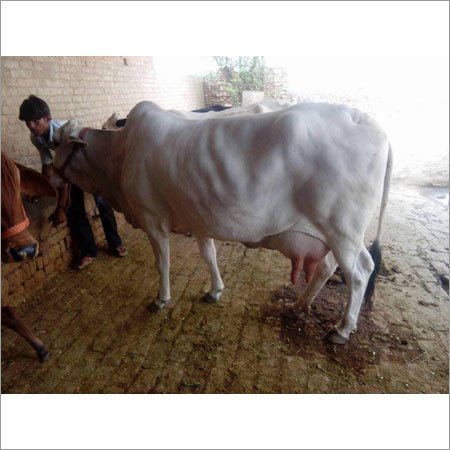

Price:
- 50
- 100
- 200
- 250
- 500
- 1000+

More Products in Tharparkar Cow Category
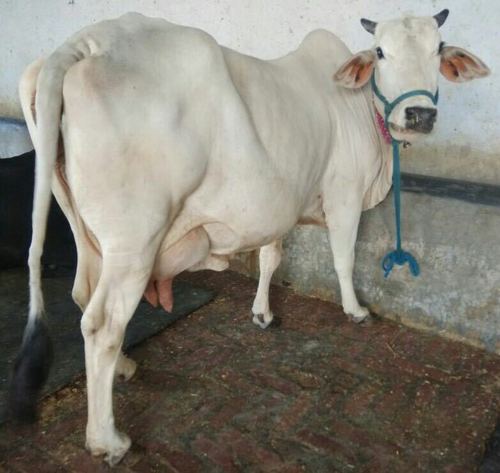
Pure Desi Cows
Price 30000 INR / Unit
Minimum Order Quantity : 6 Units
Age : 3
Color : White
Gender : Female
Commercial Uses : Dairy Farm

GST : 06CNQPR2847M1Z5

- House No. 754, New Prem Nagar,Karnal - 132001, Haryana, India
- Phone :08071792644
- Send Inquiry
 Send Inquiry
- Mr. Amit Chauhan (M.D)
- Mobile :08071792644
 Send Inquiry
 Send SMS
|

 |
KARNAL DAIRY FARMING
All Rights Reserved.(Terms of Use) Developed and Managed by Infocom Network Private Limited. |
